The craps come out roll is where the whole table conversation starts, and for a first timer it can feel louder than a Saturday night at the races. You are watching a shooter pick up the dice, the stickman is calling the action, and everyone is waiting to see whether the point gets locked in or the round flips over. In plain terms, that first throw of a new round decides whether you are betting on a quick win, setting a number to chase, or handing the dice back to the next player. If the layout feels busy, the good news is the come out roll follows a simple rhythm once you know where your chips belong.
Reading the Table Before the Dice Move
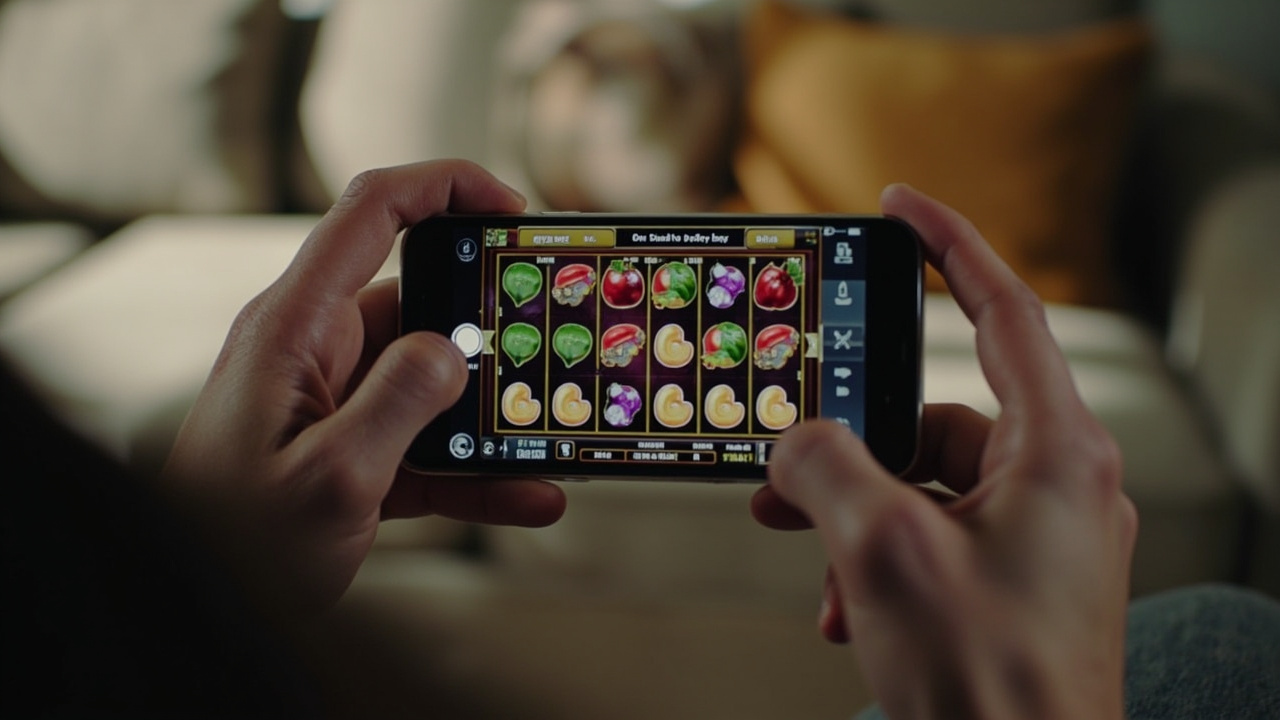
A proper craps table tells you most of what you need before a single die leaves the back wall. The pass line and don’t pass markings are the obvious starting point, but the real work happens when you notice how the layout separates proposition bets from the line bets that actually carry the round. At woo hoo casino the visual hierarchy is built around that same idea, with the come out markers and line zones sitting where your eye lands first instead of buried behind a wall of side bets. That matters on mobile because a squashed screen can turn a clear table into a scramble of icons if the designer has not left enough breathing room around the active betting areas.
The same localisation choices that shape a table also shape how fast you can read it. Currency labels, language prompts, and even the way a balance sits on the screen all change whether you can place a bet without second-guessing yourself. When a platform keeps Australian dollars and local phrasing front and centre, the come out roll stops feeling like a foreign ritual and starts feeling like a game you can actually follow. It is the sort of detail that separates a polished product from one that just dumps a US layout onto an Australian account and hopes nobody notices. Artshub
I have seen platforms where the navigation is tidy on desktop but collapses into a mess the moment you rotate a phone, and that is exactly the kind of engineering gap that shows up first on a fast table game. When the same team is thinking about large-platform architecture, the lesson is straightforward: the interface has to hold up when the action speeds up, not just when you are browsing a lobby in the arvo.
The Pass Line and the First Decision
The pass line is the most common place to start on the come out roll because it pays out when the shooter throws a 7 or 11 and loses on 2, 3, or 12. That makes it a clean entry point for anyone who wants to follow the round without juggling a stack of side bets. The don’t pass line runs in the opposite direction, and while it is less popular at a lively table, it is still a legitimate way to read the same come out roll from the other side of the layout. What matters for a new player is that both of those bets are waiting on the first throw, not on the point round that follows.
A lot of players overcomplicate the first throw by crowding the table with proposition wagers before they have even seen how the round flows. The smarter read is to watch one come out roll cycle, notice how the crew calls the dice, and then decide whether you want to stay on the line or branch out once a point is set. That is the kind of pacing that keeps the game readable instead of turning every throw into a split-second puzzle.
What the Shooter and the Crew Are Actually Doing
The shooter is not just tossing dice for the sake of it; the come out roll is the moment the whole table agrees on what number, if any, will define the next phase. If the first throw lands on 4, 5, 6, 8, 9, or 10, that becomes the point and the round keeps going until the shooter either repeats it or rolls a 7. If the first throw is 7 or 11, the pass line wins immediately; if it is 2, 3, or 12, the pass line loses and the dice move on. None of that is mysterious once you have seen it a couple of times, but the table chatter can make it sound far more complicated than it is.
The stickman and the boxman are doing the quiet work that keeps the round honest and moving. They are calling the result, keeping the centre bets organised, and making sure the next shooter is ready when the current round ends. For a player, the useful takeaway is that the come out roll is the cleanest moment to learn the rhythm of a table, because everything is reset and the next decision is right in front of you.
Reading the Pace Before You Put Chips Down
A good way to approach any craps table is to treat the first minute as information gathering rather than a betting sprint. Watch how the crew handles the dice, notice whether the table is running hot or slow, and check whether the layout around the come out markers is easy to read on the device you are using. If you are on a phone, the same table can feel completely different depending on whether the betting zones are laid out with enough space to tap without misplacing a wager.
That is where the localisation work really shows up. A platform that has thought about the everyday usability of a fast table game will usually have sorted out the language, the currency, and the search or lobby structure so you can find the right table without digging through a maze of filters. When those pieces are in place, the come out roll becomes a game you can follow instead of a screen you have to decode while the dice are already moving.
Player-Fit Scenarios for the Come Out Roll
Not every player wants the same thing from a craps table, and the come out roll is where those preferences separate pretty quickly. Some people like a clean, low-fuss start on the pass line and do not mind letting the round play out from there. Others prefer watching the table for a bit before they commit, using the first throw to judge the pace and the crowd. Either approach is reasonable, and the right one depends on whether you want action immediately or a slower read before your chips hit the layout.
For a player who wants a straightforward entry point, the come out roll on the pass line is the simplest way to take part without juggling a stack of centre bets. For someone who prefers to observe first, the same throw gives you a chance to see how the table is running and decide whether you want to stay on the line, take a step back, or try a different table altogether.
Finn Murphy, Head of Public Relations, Tasman Gaming Partners, has said that the come out roll is where a table’s pace becomes obvious to anyone paying attention, and that is a fair read for anyone trying to figure out whether a table suits them. Claire Kelly, Responsible Gambling Adviser, Harbour Bet Insights, has also noted that watching the first throw before you commit can help a player settle into the rhythm instead of chasing every result, which is sensible advice for a game that can move fast.
If you are the sort of person who likes to keep things simple, the come out roll is a decent place to start because it is the clearest moment on the table and the easiest to follow on a mobile screen. If you prefer a slower read, the same throw buys you time to watch the crew, the shooter, and the way the table is talking to itself before you decide where your chips go.
Keeping the Table Readable on a Busy Night
A craps table can feel loud even when you are watching it on a screen, and the come out roll is where that noise matters most because everything is starting fresh. The practical test is whether you can read the layout, place a line bet, and understand the result without wrestling the interface. When a platform has sorted the visual identity, the navigation, and the localisation, the game stays readable even when the table is busy and the dice are moving quickly.
That is the part that separates a well-built product from one that just looks fine in a screenshot. The come out roll is only useful if you can actually follow it, and that depends on whether the table, the language, and the device all line up in the same direction.
A Straight Read on the First Throw
The craps come out roll is not a mystery once you have seen a few rounds, and it is the cleanest moment to learn how a table runs. Watch the first throw, keep your bets simple until you know the pace, and use the layout on your screen as a guide rather than a distraction. If the table is clear and the interface is tidy, the come out roll becomes a game you can follow instead of a wall of noise you have to decode.
